When your hearing feels dampened, it can impact your daily routine and leave you feeling withdrawn from your surroundings. It is typical to assume that muffled sound indicates chronic hearing deficiency, but the issue is often just a treatable cerumen obstruction.
Understanding the difference between earwax buildup vs. auditory loss can help you know when a quick fix is possible and when it’s time to seek a hearing assessment. There is no reason to feel overwhelmed if sounds seem dampened. While only an audiologist can verify the cause, understanding these essential markers of wax vs. hearing loss can provide instant insight.
What Earwax Buildup Feels Like
Cerumen (cerumen) is a natural, protective substance that helps trap dirt and debris and keeps the ear canal healthy. The difficulty begins when this material accumulates to the point of a tangible blockage.
Signs of a clog often feature:
- A noticeable reduction in hearing level
- The perception that there is a physical plug in the canal
- Overall ear discomfort or minor soreness
- Persistent buzzing or ringing sounds
- Instances of clearer hearing after a yawn or eating
Cerumen-based hearing issues are often uneven, affecting one ear rather than the other. The positive aspect is that clinical clearance usually results in an immediate restoration of your original hearing levels.
Recognizing the Signs of Irreversible Hearing Loss
Unlike a temporary blockage, nerve-based hearing deficit typically advances steadily over decades and is not resolved by clearing the ear.
Signs of actual auditory impairment may feature:
- Struggling to follow conversations when background noise is present
- Constantly asking others to restate themselves
- Adjusting media levels to a point that people find uncomfortable
- Difficulty hearing treble sounds like birds or soft voices
- Hearing uniformly reduced on both sides
Importantly, auditory loss is an intelligibility concern that seldom includes the perception of physical fullness found with wax.
Primary Distinctions at a Glance
A few basic signs can help you ascertain whether you are dealing with a manageable obstruction or a more lasting shift:
- Timeline: Cerumen muffling can be quick, but permanent loss requires years
- Longevity: Cerumen issues are fixable and short-term, whereas impairment is usually long-term
- Markers: Fullness suggests a clog; struggling with speech precision points to impairment
- Ear Balance: Unilateral dull sound points to wax, while both sides point to hearing loss
Reasons Not to Treat Yourself
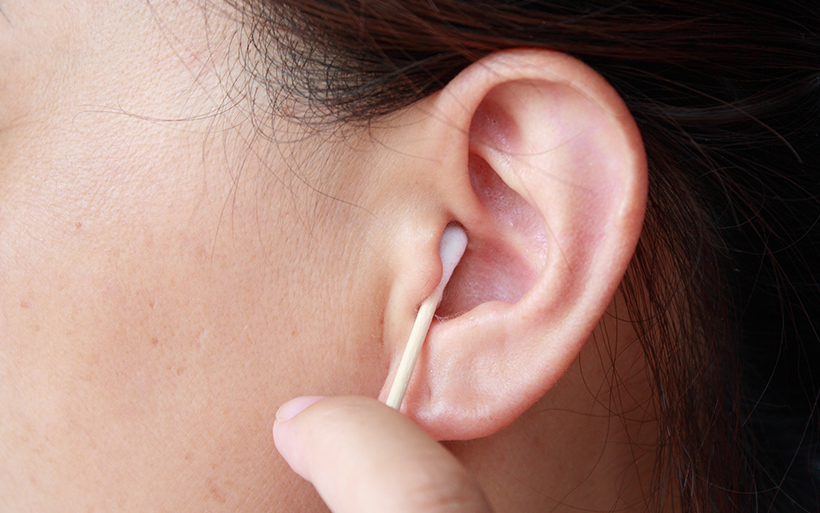
Numerous people make the mistake of attempting to clear a suspected blockage manually using probes or household items. Regrettably, these can shove wax further in and worsen the problem.
Health experts caution that putting anything less substantial than your finger in your ear can lead to eardrum rupture and severe impaction.
Delaying a clinical evaluation for actual hearing loss can result in missing out on solutions that protect your future cognitive and communal health.
The Critical Nature of a Clinical Ear Exam
A simple otoscopic check can quickly verify if cerumen is obstructing the ear.
If wax is present, clinical removal often clears signs on the spot.
Should the ear canal be unobstructed but auditory difficulties continue, a hearing test can evaluate if hearing loss is present and determine its type and severity.
The NIDCD recommends immediate assessment whenever changes in hearing conflict with your everyday routine.
Closing Thoughts on Cerumen and Hearing Wellness
Feeling as if auditory signals are dull may not always indicate a lasting change.
It is often the reality that a simple, treatable blockage is the source of the issue.
A professional assessment will give you the clarity you need to move forward without worry.
Please note that self-diagnosis is no replacement for a clinical exam when it pertains to your auditory health.
Getting answers promptly can avert pointless worry and ensure you receive the right care at the right time.
If your auditory sense seems off, avoid guesswork. A brief check can make all the difference, so contact our team of clinicians right now.