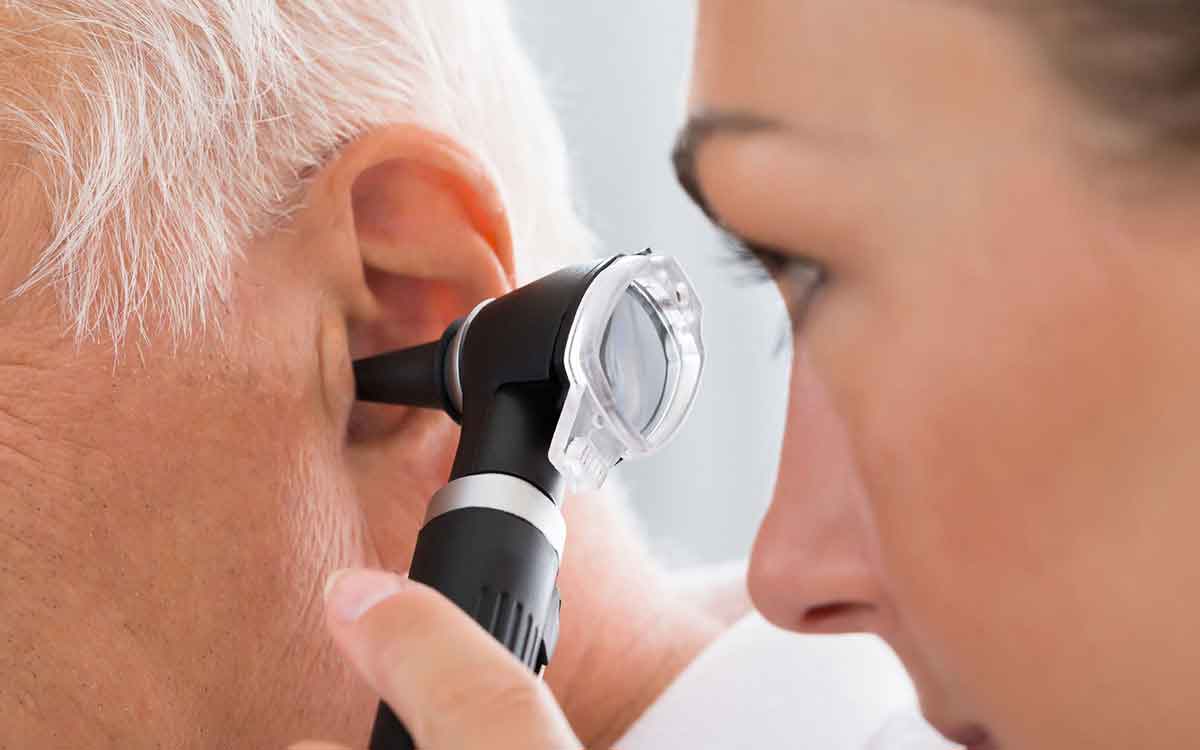
Auditory decline frequently manifests as an incremental process, making it likely to be ignored during its early development. Numerous individuals compensate subconsciously by raising the decibels on the television, requesting frequent repetitions, or withdrawing from high-noise settings.
However, acknowledging the early symptoms of auditory impairment is fundamental for long-term health.
Frequent Indicators of Initial Auditory Decline
If you notice any of the listed clinical signs, it may be time to schedule a professional evaluation.
- Reduced clarity during dialogue within high-noise areas.
- Frequent instances of asking for verbal repetitions during daily interactions.
- Hearing indistinct vocal communication where sounds lack definition.
- Requiring increased decibel settings for electronic devices beyond the comfort of family members.
- Decreased perception of high-frequency acoustic signals like children’s speech or household alerts.
- The presence of tinnitus, manifesting as ringing or buzzing in the ears.
- Mental drain following dialogue resulting from persistent listening effort.
- Withdrawing from social gatherings as conversations feel overwhelming.
These early signs of hearing loss can affect one or both ears and may come and go at first. Since the auditory cortex adapts to changes, subconscious adjustments often go unnoticed until clinical hearing loss is evident.
Hearing Loss By The Numbers
Data from the World Health Organization indicates that a vast population will need auditory rehabilitation by mid-century. Other significant statistics involve:
- By 2050, nearly 2.5 billion people are expected to experience some degree of hearing loss.
- Over 5% of the world’s population (430 million people) necessitates rehabilitation to address disabling hearing loss.
- In excess of 1 billion young adults face the threat of permanent hearing loss resulting from unsafe listening practices.
- Among those over the age of sixty, more than one-quarter suffer from clinically significant hearing loss.
The Value of Early Hearing Loss Detection
If left unaddressed, hearing loss can influence various aspects of your health outside of auditory function.
Studies have identified a connection between auditory impairment and an increased likelihood of dementia and diminished balance.
Addressing symptoms at the onset allows for a broader range of interventions and improved clinical results.
A hearing evaluation helps identify if shifts stem from presbycusis-driven hearing loss, noise exposure, earwax buildup, infection, or another medical condition.
Occasionally, auditory changes are not permanent and resolve with intervention.
Conversely, early use of hearing aid technology or protective strategies can slow progression.
Guidelines for Consulting an Audiologist
A clinical hearing assessment is warranted if you experience the following:
- Clinical indicators remain present for more than a few weeks.
- Hearing difficulties disrupt work, relationships, or daily activities.
- Experiences with acute hearing loss, dizziness, or chronic tinnitus require prompt evaluation.
Audiological evaluations are comfortable and safe, yielding deep insights regarding your physiological hearing status.
We invite you to contact our facility if you believe a hearing screening would be advantageous.
Auditory Health FAQ: Initial Symptoms
Q: Are all auditory changes linked to getting older?
Answer: No. While common in seniors, hearing impairment can be caused by medications, loud noise, infections, or hereditary conditions.
Q: Can hearing loss be reversed?
A: In specific instances involving earwax or infection, hearing may be restored. However, permanent types of hearing loss are often successfully managed with hearing aid technology or therapeutic strategies.
Q: How often should hearing be checked?
A: A baseline screening is advised by age 50, or sooner if clinical symptoms manifest.