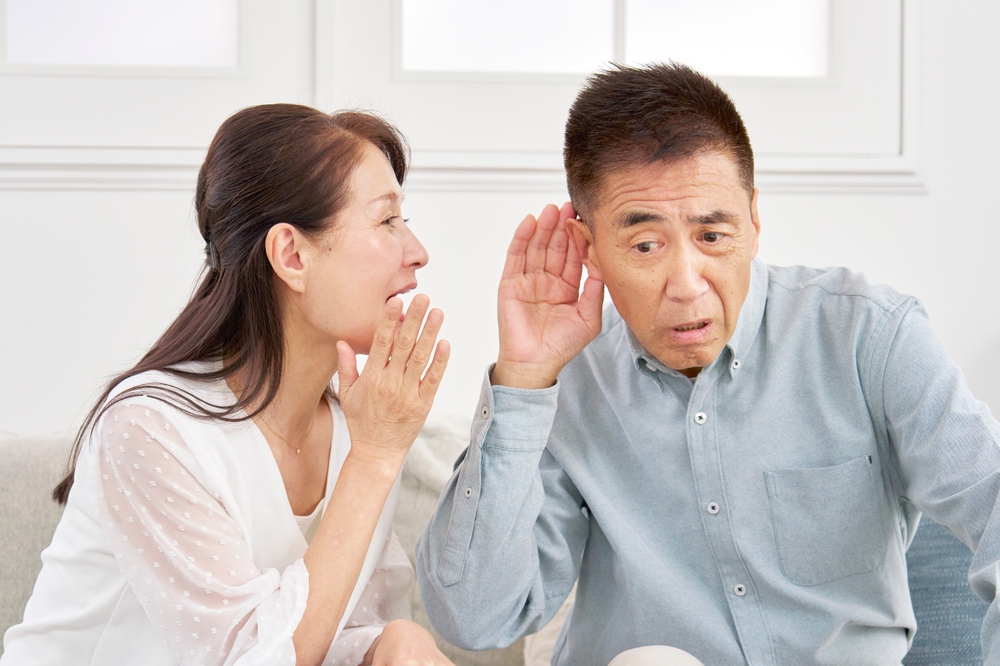
While auditory decline is statistically prevalent, pervasive misconceptions often deter individuals from pursuing clinical intervention. When managing hearing loss, timely intervention is a fundamental requirement for long-term health. Accepting hearing myths as fact typically results in late-stage intervention and diminished communicative function.
Separating hearing truths from common fallacies provides the confidence needed to address auditory changes. Let’s take a closer look at seven hearing loss myths that deserve to be clarified, along with the truths that put them in their place.
Myth: Hearing Impairment is Solely a Condition of Aging
While sensory shifts are frequent in seniors, hearing loss remains a cross-generational health concern. Factors such as acoustic trauma, genetic markers, ototoxic drugs, and viral infections trigger hearing issues in youth.
Assuming hearing loss is only an “aging issue” can prevent people from recognizing early symptoms and seeking appropriate care.
2. Myth: If I Can Hear, I Don’t Have Hearing Loss
An individual can suffer from hearing loss without experiencing a complete loss of sound. Patients with mid-range impairment often perceive environmental noise while losing the ability to decode complex speech. Audiology recognizes a diverse spectrum of impairment levels that fall short of total deafness.
You might notice difficulty following conversations in noisy environments, frequently asking others to repeat themselves, or feeling mentally exhausted after social interactions. These are common early signs of hearing changes that should not be ignored.
Hearing Impairment: More Than a Social Nuisance
The impact of aural decline reaches into the cognitive and emotional well-being of the patient. Data shows that failing to treat hearing issues can lead to brain atrophy and emotional health challenges.
Seeking early treatment safeguards your social connections and your long-term neurological function.
Myth Four: The Deterioration Fallacy
Some people believe that wearing hearing aids will cause their hearing to deteriorate more quickly, but that is not true.
When fitted correctly, hearing aids are safe tools for auditory rehabilitation. They provide customized amplification that fills the exact deficits revealed during your professional assessment. Utilizing amplification prevents auditory deprivation, keeping the brain’s speech-processing centers active.
Myth Five: The Aesthetic Stigma Fallacy
Modern hearing technology has advanced significantly. Today’s devices are smaller and more powerful than ever. Patients can now choose custom-molded options that sit deep within the ear canal for total discretion.
In addition to their size, modern hearing aids often include beneficial features like background noise reduction, Bluetooth connectivity, and automatic sound adjustments.
Myth Six: The Fallacy of “Wait and See” for Mild Loss
A “mild” diagnosis still carries the risk of social isolation and increased mental effort. Addressing loss early eliminates listening fatigue and protects against chronic mental exhaustion.
Early clinical action ensures that the brain’s auditory processing centers remain sharp and functional.
Why OTC Devices Often Fall Short of Clinical Needs
Store-bought devices provide “blanket” amplification rather than the targeted help your ears likely need. A clinical hearing test allows an expert to program a solution specific to your biological requirements.
Custom-fit solutions provide a level of acoustic fidelity that generic devices simply cannot match.
Don’t Let Hearing Loss Myths Hold You Back
Auditory shifts can be daunting, leading many to avoid the clinic through a “denial” response. Auditory fallacies act as roadblocks to the treatment that could change your life today. Fortunately, a modern hearing test is a non-invasive, efficient process that yields vital health data.
Should you perceive even minor shifts in your auditory acuity, a baseline exam is your most critical move. Seeking help sooner rather than later preserves both your social life and your neurological sharpness.
For more information or to book your next hearing test, please contact our clinic today. Call us today for a consultation.