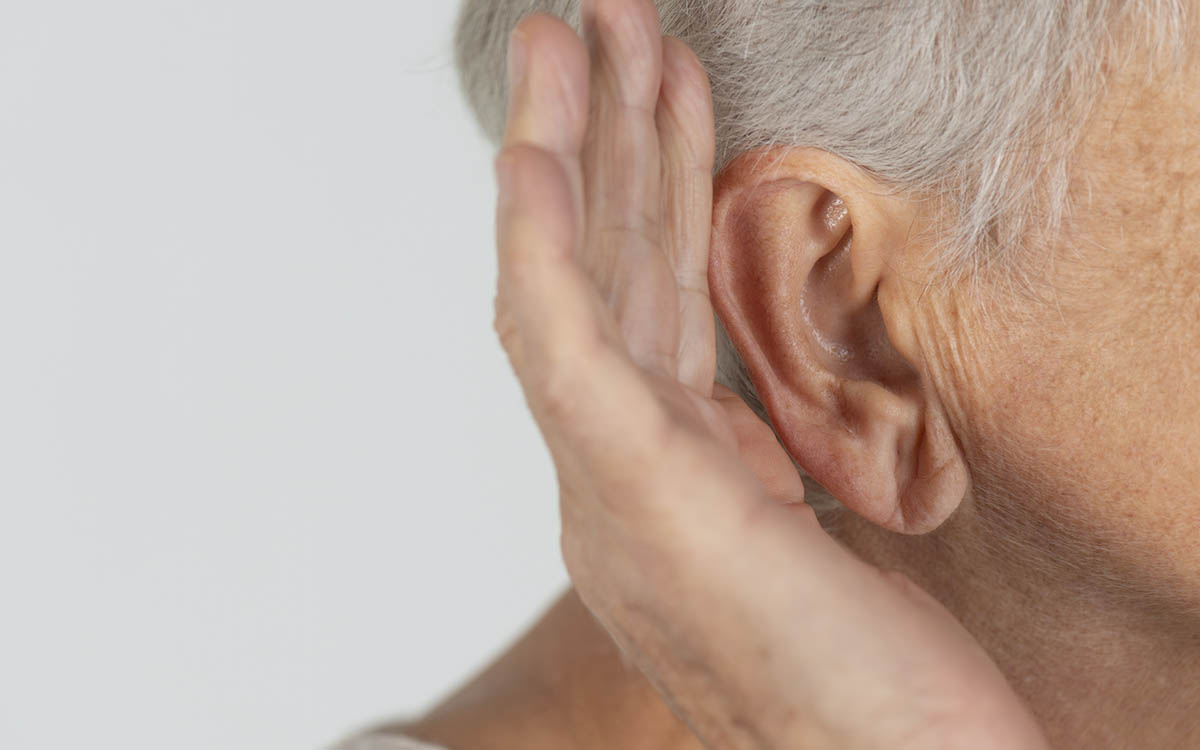
Commonly, clinicians link hearing loss to senescence, but for millions of Americans, hearing damage begins much sooner. Noise-induced hearing loss represents a common, preventable auditory pathology, advancing subtly and remaining undiagnosed until the clinical effects are permanent.
Understanding how noise exposure impacts your ears over time facilitates proactive protection before major hearing loss develops.
Pathophysiology of Sound-Induced Auditory Trauma
The pathology of noise-induced hearing loss involves trauma to the sensitive anatomical structures within the inner ear. As reported by the CDC, sounds above 85 decibels (roughly the volume of heavy traffic) can begin to cause hearing damage with repeated or prolonged exposure. More intense acoustic stimuli, such as power equipment or firearms, are capable of inducing auditory trauma in a matter of minutes.
Within the cochlea are specialized sensory structures referred to as hair cells. The function of these cells is to transduce mechanical vibrations into neural impulses for cerebral processing. Following injury, these hair cells lack the biological capacity to regenerate, which renders noise-related hearing loss an irreversible condition.
Understanding How Hearing Damage Accumulates Incrementally
One of the most concerning aspects of noise-induced hearing loss is that it often develops slowly. Early exposure may cause symptoms like:
- Short-term episodes of Tinnitus or buzzing within the ears
- Sensations of dampened or muffled auditory perception following noise exposure
- Reduced ability to distinguish vocal communication in loud surroundings
While these preliminary indicators may dissipate, this should not be mistaken for complete physiological recovery. Actually, subsequent noise events continue to degrade internal ear structures, slowly reducing hearing clarity and sensitivity over time.
The hearing loss Association of America estimates that 48 million individuals in the US suffer from hearing loss, many unaware of the underlying cause.
Everyday Sounds Contributing to Hearing Damage
Modern society is characterized by high ambient noise, which frequently leads to a lack of awareness regarding sound intensity. For this reason, many people are surprised to learn how common harmful noise exposure is.
Identified hazardous sources may include:
- Concert settings and loud musical performances
- The use of headphones at unsafe volume settings
- Gas-powered lawn tools, industrial machinery, and motorcycles
- Occupational noise exposure within the construction or manufacturing sectors
The everyday occurrence of these sounds allows for progressive damage to develop without obvious warning.
Prioritizing Prophylactic Measures in Clinical Hearing Management
A distinguishing factor of noise-induced hearing loss is the lack of clinical reversal options. The condition is, however, susceptible to effective preventative strategies. Adopting straightforward preventative behaviors can markedly decrease the likelihood of injury, including:
- Using earplugs or noise-reducing earmuffs in loud environments
- Modulating audio output levels and observing 60/60 rule constraints
- Incorporating auditory rest periods to allow for physiological recovery
- Arranging for routine Audiology assessments if noise exposure is frequent
Indicators to Consult with Professional Hearing Care
The presence of chronic Tinnitus, impaired speech recognition, or altered auditory clarity warrants a professional Audiology consultation. Prompt clinical evaluation is vital for tracking auditory status and formulating effective hearing preservation plans.
Prioritizing auditory health now ensures the preservation of hearing clarity for the future. Noise may be unavoidable, but hearing loss doesn’t have to be!. We invite you to schedule an appointment with our team to optimize your hearing function.