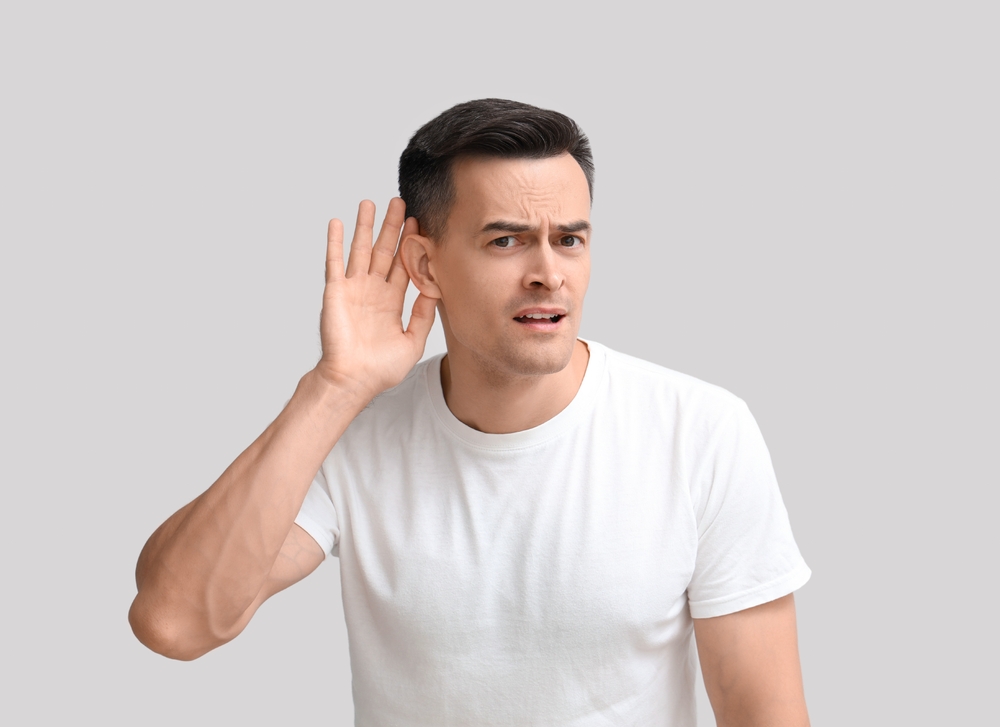
Have you ever felt totally drained after a long conversation or social gathering?
You might initially blame your exhaustion on general tiredness or a busy lifestyle. Certainly, for those with introverted tendencies or sensory processing sensitivities, social engagement is naturally taxing. Frequently, this specific type of burnout is actually triggered by chronic auditory fatigue.
Essentially, auditory fatigue is the result of the brain over-functioning to compensate for poor sound quality. When hearing is not as clear as it should be, the brain often tries to fill in missing pieces of speech and interpret unclear sounds, which takes significant mental effort. Sustained periods of this “effortful listening” eventually lead to total cognitive depletion.
Many people mistake auditory fatigue for ordinary tiredness. However, it can actually be an early sign of hearing difficulties. A professional diagnostic evaluation is necessary to confirm if hearing loss is the root cause of your exhaustion. If this cycle of exhaustion is recurring, consult an audiologist to investigate the influence of hearing loss.
Why Your Brain Suffers from Auditory Fatigue
The risk of developing auditory fatigue is increased by several physiological and environmental factors.
Why Untreated Hearing Impairment Causes Fatigue
One of the most common causes is untreated hearing loss.
When acoustic signals are incomplete, the brain engages in heavy “top-down” processing to reconstruct speech. This perpetual state of “phonemic guessing” elevates cognitive load and triggers rapid burnout during dialogue.
Noisy Environments
Locations with poor acoustics often act as a tipping point for auditory fatigue. Settings like busy cafes or group discussions often present a low signal-to-noise ratio that obscures speech.
In multi-source sound environments, the brain must exert massive energy to suppress irrelevant noise. This process can create cognitive overload, especially for people with hearing loss (even mild cases).
The Role of Tinnitus in Auditory Fatigue
The presence of tinnitus creates a dual-processing burden, forcing the brain to manage both phantom internal signals and legitimate external sound.
A distorted acoustic signal acts as a “broken link,” requiring the brain to expend extra energy to fix the data in real-time.
Common Signs of Auditory Fatigue
Auditory fatigue can affect both mental focus and overall energy levels. Frequently observed symptoms include:
- Feeling mentally drained after conversations
- Difficulty concentrating during meetings or group discussions
- Physical head pain triggered by extended periods of listening effort
- A sense of agitation triggered by difficult listening conditions
- Social retreat to avoid the stress of auditory processing
- Requiring immediate sensory deprivation or sleep after socializing
Recurring instances of these symptoms suggest that your auditory processing system is operating at an inefficient level.
The Cognitive Cost of Auditory Decline
Clear auditory input allows the brain to interpret sound with virtually no conscious effort. The presence of hearing loss creates a “resource drain,” pulling energy away from memory and logic to help hear speech.
Researchers describe this as increased cognitive load. It’s where the brain redirects energy from other tasks (like memory and focus) to figure out what someone is saying. Over time, this extra effort can leave you feeling mentally depleted. Under these conditions, even brief interactions demand an unnatural level of mental focus.
Why a Hearing Test is the First Step to Recovery
If auditory fatigue is affecting your daily life, a professional hearing evaluation can help identify the cause. A full audiological exam involves testing your threshold for various frequencies and your word-recognition score. An audiologist may simulate real-world noise to see how your brain manages complex auditory environments.
A comprehensive hearing test can determine whether hearing loss is contributing to your fatigue and help guide the next steps for treatment. Identifying hearing changes early allows treatment to begin sooner, helping reduce listening strain before it begins affecting daily activities and social interactions.
How Hearing Treatment Reduces Listening Effort
Treating hearing loss can significantly minimize listening fatigue.
Advanced hearing aids utilize AI to sharpen speech signals while simultaneously suppressing irrelevant environmental noise. The brain can finally rest, receiving data that is easy to interpret and understand.
When listening becomes easier, many people notice improvements in:
- A feeling of being more “awake” and present throughout the day
- Increased attention span during long discussions
- A return to enjoying busy restaurants and gatherings
With less strain on the brain, everyday interactions can feel more natural again.
When Should You Schedule a Hearing Test?
A professional screening is recommended if you identify with these patterns:
- Dialogue leaves you feeling cognitively spent
- You are increasingly told that you are missing parts of the conversation
- You struggle to follow discussions in noisy environments
- Social withdrawal is becoming your default response to difficult acoustics
Early action on hearing impairment is a foundational step in preserving your mental and social health.
What You Need to Know About Auditory Fatigue
Distinguishing Between Exhaustion and Impairment
No—fatigue is the “symptom” (burnout), whereas loss is often the “cause” (the impairment). However, hearing loss is one of the most common causes of auditory fatigue.
Will Hearing Devices Fix My Burnout?
Absolutely; by cleaning up the acoustic signal, modern devices take the processing load off the brain.
Can I Recover from Auditory Fatigue?
With the right treatment, the exhaustion associated with auditory fatigue is often completely reversible.
Reclaiming Your Energy After Social Events
It is not “normal” to be wiped out by a simple talk with a friend. Feeling “wiped” after a party is a signal that your brain is struggling to manage its cognitive load.
Take the first step toward social ease by reaching out for a professional evaluation. Reclaim your social life and your energy by getting the truth about your auditory health today.