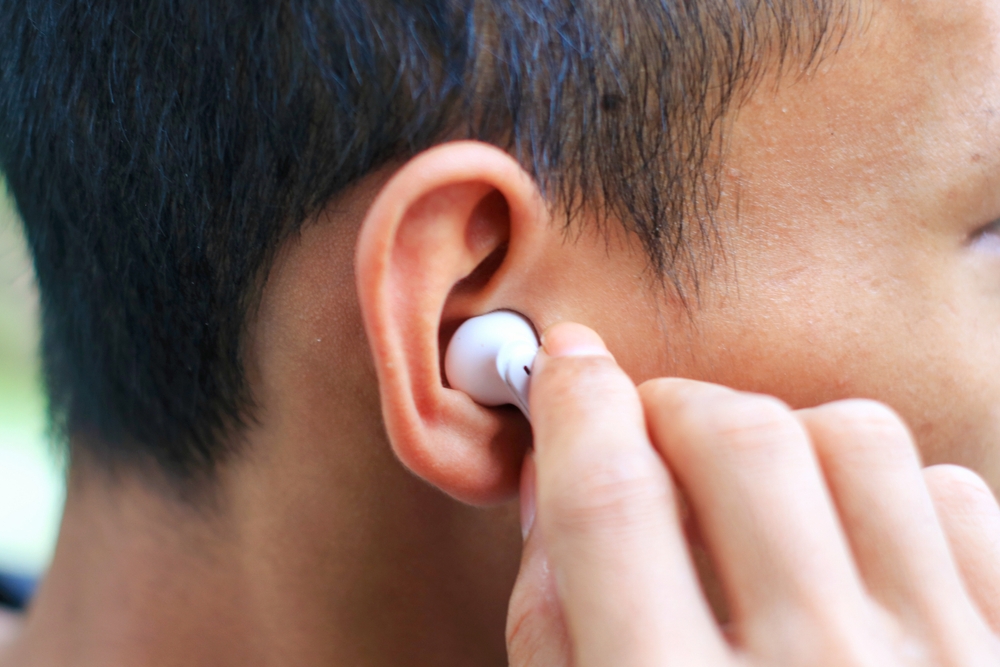
We seldom encounter a teenager or young adult who isn’t currently using a personal audio device. Even with their larger footprint, headphones remain a popular choice for teenagers looking to disconnect from the world. Musical enjoyment knows no age limit, though the younger generation has integrated it more deeply into their daily transitions. Does the immediate physical closeness of these transducers to our ears result in measurable hearing loss? The danger is not inherent to the technology but is instead a product of specific usage habits.
The Risks of Prolonged High-Decibel Exposure
The right music can induce a state of relaxation, provide spiritual comfort, or drastically boost energy levels. Much depends on the rhythm and volume of the content being consumed. Utilizing personal audio devices is considered a social courtesy, allowing for private enjoyment in communal spaces. That’s a positive thing, and most people will tell you that they are grateful and prefer that on a train or bus.
The real questions are: how loud is too loud, and how long is too long? The biological fact is that high-intensity sound waves are inherently damaging to the auditory system. Combining high-intensity sound with extended exposure times can lead to permanent sensorineural damage. Because auditory decline is often a slow, cumulative process, the damage is frequently advanced before symptoms are noticed.
Why Earbuds Pose a Unique Threat to Hearing Health
The intensity of the decibels is the leading risk factor for permanent auditory trauma. However, the duration of the exposure matters as much as the volume.
- The National Institutes of Health (NIH) recommends listening at below 70 decibels. Even after long exposure, you won’t have any hearing loss.
- High-intensity sound waves cause cellular damage in a fraction of the time required by moderate sounds.
- To protect your ears, utilize the 60/60 guideline: never exceed 60% power and rest after 60 minutes of use.
- Taking control of your volume slider and managing your time is the best defense against hearing loss.
Indicators That You May Need a Hearing Evaluation
Experiencing aural fullness, persistent **tinnitus**, or difficulty deciphering dialogue in crowds suggests it is time for a clinical hearing test.
Schedule an appointment with our specialists if you believe your auditory health has been compromised.